

Strength Without Compromise: What Engineers Should Look for in Structural Connection Systems
When specifying structural connection systems, engineers are tasked with balancing multiple priorities. Performance, constructability, installation efficiency, cost, and long-term reliability all play a role in selecting the right solution.
While many products claim to offer strength and simplicity, not all connection systems are designed with both engineering requirements and field installation realities in mind.
The best solutions do more than meet load requirements—they help contractors build smarter.
Performance Comes First
Every structural connection begins with performance.
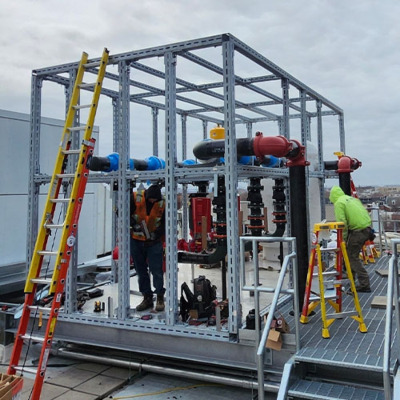
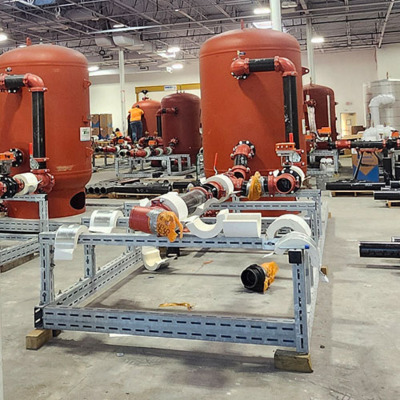
Whether supporting secondary steel, rooftop equipment, telecommunications infrastructure, industrial platforms, or utility applications, engineers must have confidence that a connection system can safely perform under anticipated loading conditions.
Structural connections should provide predictable performance backed by engineering analysis, testing, and quality manufacturing processes.
Selecting a proven system helps reduce project risk while providing confidence throughout the design process.
Constructability Matters
A strong design on paper doesn't always translate into efficient installation in the field.
Engineers increasingly recognize the importance of constructability when evaluating structural systems. Designs that require excessive field modifications, specialized labor, or complicated installation procedures can introduce delays and increase costs.
Connection systems that simplify installation help contractors execute projects more efficiently while maintaining design intent.
Reducing Jobsite Variability
One of the challenges of traditional field-fabricated solutions is variability.
Installation quality can be influenced by labor availability, environmental conditions, project complexity, and field modifications. Standardized engineered systems help reduce this variability by providing repeatable installation methods and predictable results.
This consistency benefits both engineers and contractors by improving reliability across projects.
Supporting Labor Efficiency
Labor shortages continue to affect construction projects nationwide. As skilled labor becomes increasingly difficult to find, engineers are placing greater emphasis on solutions that improve installation efficiency.
By specifying systems designed for streamlined installation, engineers can help project teams reduce labor requirements and improve productivity without compromising structural performance.
Why Domestic Manufacturing Matters
Engineering confidence extends beyond product design.
Manufacturing quality, material consistency, and supply chain reliability all influence project success. Products manufactured domestically often provide advantages in quality control, responsiveness, and lead-time predictability.
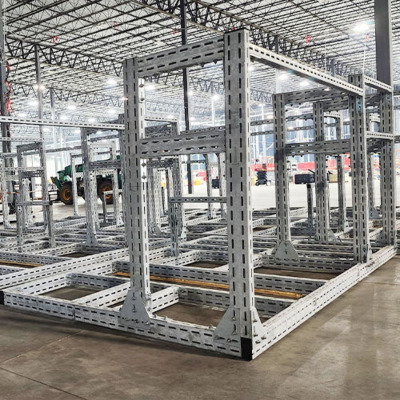
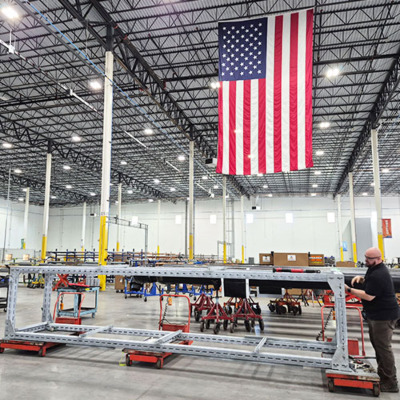
NexSpan2™ is proudly manufactured in the United States, allowing project teams to benefit from dependable production and direct access to engineering support.
A Smarter Approach to Structural Connections
The future of structural design is not simply about creating stronger systems. It is about creating solutions that improve efficiency throughout the entire project lifecycle.
NexSpan2™ combines engineered strength, installation simplicity, and domestic manufacturing to help engineers and contractors achieve better project outcomes.
By focusing on both performance and constructability, project teams can reduce risk, improve efficiency, and build smarter from design through installation.
About the Author


Comments